
How to Maintain a Ceramic Coating: Aftercare Guide
Why Ceramic Coating Aftercare Matters
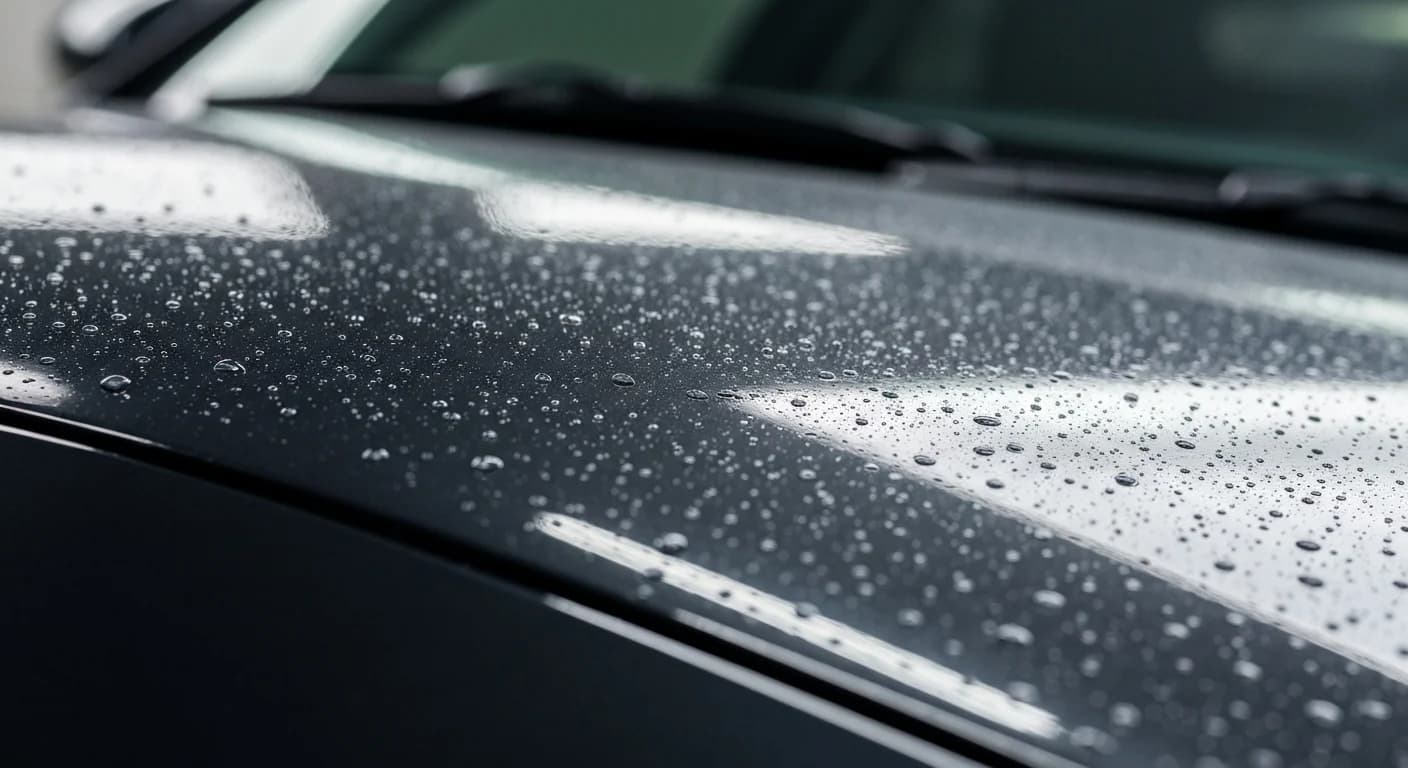
A ceramic coating is one of the best investments you can make in your car's paint. It bonds to the clear coat, creates a slick hydrophobic surface, and makes cleaning far easier. But here's what many owners get wrong: a coating is not "fit and forget." How you wash and care for the paint afterwards determines whether the gloss and water-beading last two years or five.
The good news is that maintaining a coated car is genuinely easier than maintaining an uncoated one. You just need to swap a few old habits for better ones. Here's exactly how to keep your coating performing like the day it was applied.
The First Week: Let It Cure
Most professional ceramic coatings need time to fully cure and harden after application. During the first 7 days, keep these rules in mind:
- Don't wash the car for at least 48 hours (ideally a full week).
- Keep it dry — avoid rain if you can, and don't park under trees where sap or bird droppings could land on soft coating.
- No automatic car washes and no products of any kind during curing.
If your car does get rained on or dirty during this window, don't panic — just avoid touching or wiping the surface until the cure period is over.
The Golden Rule: Wash Correctly
Most coating damage doesn't come from the road — it comes from bad washing technique. Swirl marks and micro-scratches are created by dragging dirt across the paint. To avoid this:
- Use the two-bucket method — one bucket with your shampoo solution, one with clean rinse water. Rinse your mitt in the clean bucket before reloading with soap.
- Use a pH-neutral shampoo. Harsh, high-alkaline soaps degrade the coating over time. Avoid "wax-and-wash" products, which leave fillers on top of your coating.
- Work top to bottom. The lower sections of the car are the dirtiest, so save them for last.
- Use a soft microfibre wash mitt, never a sponge or brush.
Always pre-rinse first to knock off loose grit before your mitt ever touches the paint.
Drying Without Scratching
Drying is where a lot of damage happens. Because coated paint sheds water so well, drying is quick — but do it right:
- Use a large, plush microfibre drying towel or a filtered air blower.
- Blot rather than drag when possible.
- Consider a drying aid or ceramic spray as lubrication to reduce friction and top up the coating's hydrophobic properties.
Never let a coated car air-dry in the sun, especially in hard-water areas — mineral deposits can leave water spots that bond to the surface.
Monthly Boost: Maintenance Spray
A ceramic coating slowly loses some of its slickness as it faces UV, road salt, and contaminants. A ceramic booster spray (also called a topper) restores the beading and adds a fresh layer of protection. Apply it every 4–8 weeks after washing:
- Wash and dry the car as normal.
- Mist a light coat onto one panel at a time.
- Spread and buff off with a clean microfibre towel.
This five-minute step dramatically extends the life of the base coating.
What to Avoid
- Automatic tunnel washes with spinning brushes — they inflict swirl marks and shorten coating life.
- Abrasive polishes or compounds — these are for correcting paint, and they'll strip your coating.
- Letting contaminants sit. Bird droppings, tree sap, and dead bugs are acidic. A coating buys you time, but remove them within a day or two using a quick-detailer and a soft cloth.
- Waxing over a coating. It's unnecessary and can mask the hydrophobic effect.
Seasonal Care in the Netherlands
Dutch weather is tough on paint — wet winters, road salt, spring pollen, and summer UV all take their toll. A coated car handles it far better, but a few seasonal habits help:
- Winter: Wash more frequently to remove corrosive road salt, even when it's cold.
- Spring: Watch for pollen and tree sap, which are especially common in South Holland's green suburbs.
- Summer: Never wash in direct sun; the heat causes shampoo and water to dry too fast, leaving residue.
When to Call a Professional
Even a well-maintained coating benefits from an occasional professional decontamination and inspection. Over time, bonded contaminants and light marring can build up beyond what home washing removes. A professional detailer can perform a maintenance wash, a chemical decontamination, and reapply a fresh topper to restore that just-coated look.
At Dr. Detailer, we come to your home or workplace anywhere in Alphen aan den Rijn and the wider South Holland area. We use eco-friendly, coating-safe products and can handle everything from a proper maintenance wash to full paint correction and ceramic coating application on cars, vans, and campers. If your coating isn't beading like it used to, we'll get it back to its best.
A ceramic coating rewards a little care with years of easy cleaning and deep gloss. Wash it right, top it up, and it will keep protecting your paint season after season.
More articles
How to Clean Car Windows Without Streaks: A Practical Guide
Learn how to clean car windows without streaks. Simple tips for inside and outside glass, the right products and tools, and what to avoid this autumn.
Autumn Car Care Tips for Dutch Weather: Leaves, Damp and Grime
Practical autumn car care tips for Dutch drivers. Protect your paint from fallen leaves, tree sap, damp and road grime before winter hits South Holland.