
Engine Bay Cleaning: A Safe Step-by-Step Detailing Guide
Why Bother Cleaning Your Engine Bay?
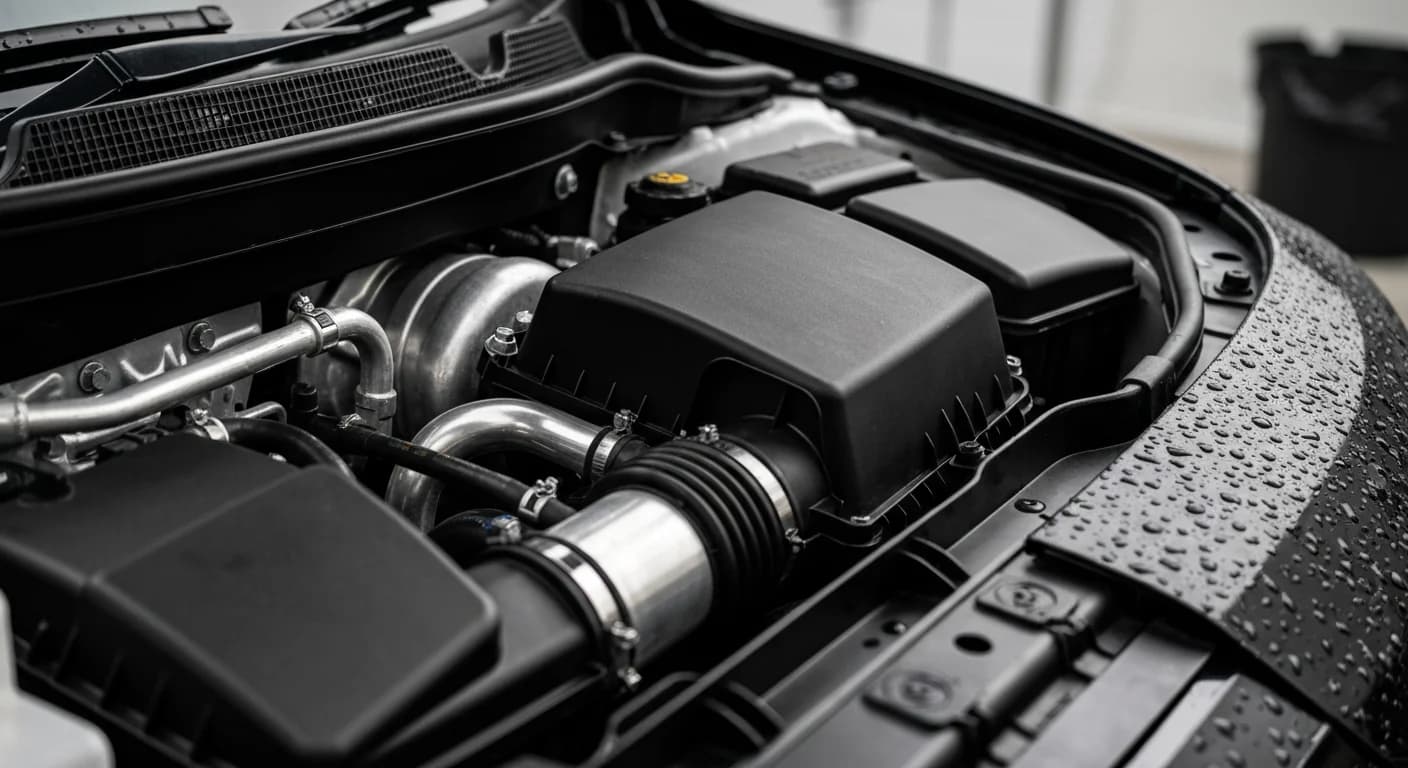
Most car owners wash the paint, vacuum the seats and never once lift the hood with a cloth in hand. Yet the engine bay is where grime, road salt, oil mist and leaves quietly pile up. A clean engine bay isn't just about looks — it makes leaks easier to spot, helps components run cooler, prevents corrosion on connectors, and adds real value when you sell the car. A buyer who opens the hood to a tidy, dressed engine assumes the whole car has been cared for.
The catch: the engine bay is full of electronics, sensors and connectors that don't love water. Done carelessly, a quick blast with a pressure washer can cause misfires, warning lights or a no-start. Done properly, it's one of the most satisfying details you can do.
When to Do It (and When Not To)
Aim to clean your engine bay once or twice a year — spring and autumn are ideal in the Dutch climate, before and after the salty winter months. Avoid cleaning it:
- On a hot engine. Cold parts and cold water are the rule.
- Right before a long drive — give everything time to dry.
- On a car with known electrical faults or exposed wiring.
Modern cars are more sealed than older ones, but every engine bay is different. If in doubt, less water is always safer.
What You'll Need
- A gentle, water-based degreaser (avoid harsh solvents)
- A few soft detailing brushes and an old toothbrush for tight spots
- A microfiber towel or two
- A low-pressure water source — a hose on a gentle setting, never a pressure washer up close
- Plastic bags to cover sensitive parts
- A rubber and plastic dressing for the finishing touch
Step-by-Step: Cleaning the Engine Bay Safely
1. Let the Engine Cool Completely
Start with a cold engine. Hot metal flashes off cleaning products before they can work, and the sudden temperature change from cold water on hot parts can crack components.
2. Cover the Sensitive Bits
Loosely cover the alternator, air intake, exposed fuse box, battery terminals and any visible electrical connectors with plastic bags. This isn't about making it waterproof — it's about keeping direct spray off the most vulnerable parts.
3. Dry Brush the Loose Debris
Before any liquid, brush and pick out leaves, twigs and dry dirt. This stops it all turning into mud the moment water hits.
4. Apply Degreaser and Let It Dwell
Mist your water-based degreaser over greasy areas, plastic covers and painted surfaces. Let it dwell for a few minutes — but don't let it dry. Agitate stubborn grime with your brushes, working from the top down.
5. Rinse Gently
Use a light flow of water, never a concentrated jet. Rinse from the top down and keep the stream away from the covered electrical areas. The goal is to float the degreaser away, not to power-blast the bay.
6. Dry Thoroughly
Wipe down what you can reach with microfiber, then remove the plastic bags. A leaf blower or compressed air is perfect for chasing water out of the crevices. Any trapped water in connectors is what causes problems later.
7. Dress and Protect
Once dry, apply a water-based dressing to plastic covers, hoses and rubber. This restores that deep satin-black finish and helps repel future dust and grime. Wipe off excess so nothing stays greasy near hot parts.
Common Mistakes to Avoid
- Using a pressure washer up close — the number one cause of engine-bay electrical faults.
- Spraying dressing on the drive belt — it can cause slipping and squealing.
- Silicone-heavy "wet look" products on everything — they attract dust and look artificial. Choose a matte or satin finish instead.
- Ignoring the underside of the hood — it's often the dirtiest, dustiest surface and a quick wipe makes a big visual difference.
When to Call a Professional
If your car is newer, expensive, or you're simply not comfortable working around electronics, an engine bay is best left to someone who does it regularly. At Dr. Detailer, we clean engine bays as part of our detailing work in Alphen aan den Rijn and across South Holland — using controlled, low-moisture methods and eco-friendly, water-based products, so there's no risk of soaking a sensor. Because we come to you, there's no need to drive anywhere with a wet engine.
Whether you tackle it yourself once a year or leave it to us, a clean engine bay is one of those details that quietly signals a well-kept car — and makes every future inspection, sale or service that little bit easier.
More articles
How to Clean Car Windows Without Streaks: A Practical Guide
Learn how to clean car windows without streaks. Simple tips for inside and outside glass, the right products and tools, and what to avoid this autumn.
Autumn Car Care Tips for Dutch Weather: Leaves, Damp and Grime
Practical autumn car care tips for Dutch drivers. Protect your paint from fallen leaves, tree sap, damp and road grime before winter hits South Holland.