
Leather Car Seat Care: How to Clean, Condition & Protect
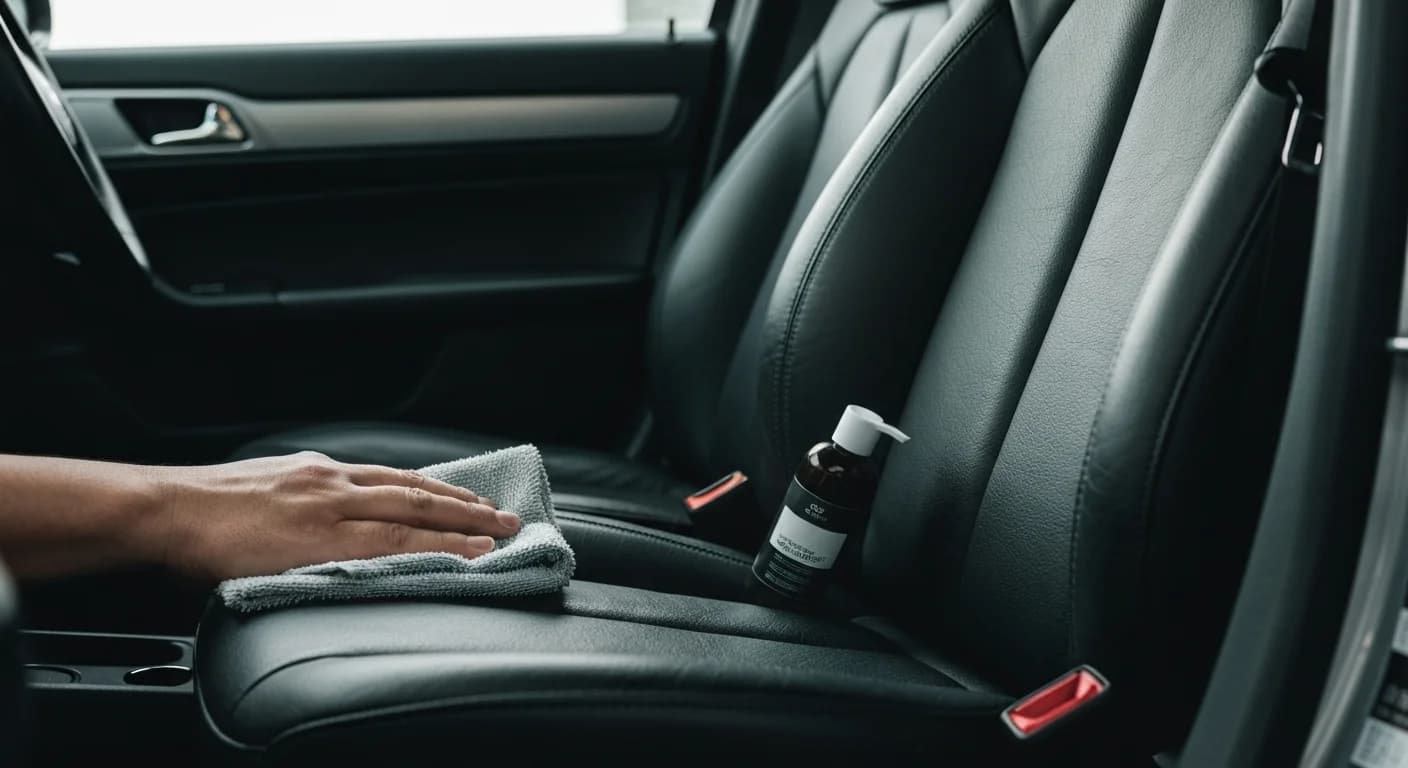
Why Leather Seats Need Regular Care
Leather is a natural material, and like skin, it dries out, cracks, and fades when neglected. Daily exposure to sunlight, body oils, denim transfer, food spills, and temperature swings inside your car all take a toll. Without proper care, even high-end leather will start showing wear in as little as two to three years — cracked bolsters, faded headrests, sticky surfaces, and that unmistakable worn-out look that tanks resale value.
The good news: maintaining leather seats is straightforward if you follow a consistent routine. Here's what actually works.
Understand Your Leather Type
Not all car leather is the same, and using the wrong product can do real damage:
- Coated (pigmented) leather — The most common type in modern cars. Has a polyurethane top coat that resists stains but can crack over time.
- Semi-aniline leather — Found in premium vehicles. Softer, more breathable, but more prone to staining.
- Nappa leather — Ultra-soft, used in luxury cars. Requires the gentlest products and most frequent conditioning.
- Leatherette (vinyl) — Synthetic alternative in many entry-level cars. Doesn't need conditioning but benefits from UV protection.
Check your owner's manual if you're unsure. When in doubt, treat it as the most delicate option and patch-test in a hidden area first.
The 4-Step Leather Care Routine
1. Vacuum and Wipe Down First
Before any product touches the leather, remove loose debris. Use a soft brush attachment to vacuum seams and stitching where crumbs and grit collect. Wipe surfaces with a slightly damp microfiber cloth to remove dust. Skipping this step grinds dirt into the leather during cleaning.
2. Clean With a pH-Balanced Leather Cleaner
Avoid household soaps, baby wipes, and all-purpose cleaners — most are alkaline and strip the leather's natural oils. Use a dedicated, pH-neutral leather cleaner.
- Spray onto a microfiber cloth, not directly on the seat
- Work in small sections using gentle circular motions
- Use a soft-bristled brush for textured leather or stubborn spots
- Wipe away residue with a clean, damp cloth
3. Condition to Restore Moisture
Conditioning replaces the natural oils that cleaning removes. Apply a quality leather conditioner every 3–4 months (more often in hot, dry conditions).
- Apply a thin, even layer with a clean applicator pad
- Let it absorb for 15–30 minutes
- Buff off excess with a dry microfiber towel
- Skip greasy or silicone-heavy products — they leave a slippery, attractive-to-dust finish
4. Protect From UV Damage
Sunlight is the number one killer of car leather. Even in the Dutch climate, summer UV can fade and dry out seats parked in direct sun.
- Use a sunshade when parked outside on bright days
- Crack windows slightly to reduce interior heat buildup
- Choose a conditioner with UV inhibitors built in
- Consider window tinting if your car spends long hours outdoors
Dealing With Common Problems
- Ink stains — Act fast. Use a dedicated leather ink remover; never use rubbing alcohol on coated leather as it can dissolve the topcoat.
- Denim dye transfer — Light blue marks from jeans. A quality leather cleaner usually lifts it; deeper stains may need professional treatment.
- Cracking — Once leather cracks, it can't be reversed at home. A detailer can fill and recolor cracks, but prevention through regular conditioning is far cheaper.
- Sticky surfaces — Usually a sign of over-conditioning or using the wrong product. Clean thoroughly and let the leather rest before applying anything new.
When to Call a Professional
DIY care handles routine maintenance well, but deep restoration — cracked bolsters, heavy staining, color fading, or a full interior refresh before selling — is worth leaving to specialists. At Dr. Detailer, we offer mobile interior detailing throughout Alphen aan den Rijn and the wider South Holland area, with eco-friendly leather treatments that restore softness and add long-term UV protection. We come to your home or office, so you don't need to drop the car off anywhere.
A consistent monthly wipe-down plus a quarterly condition is usually enough to keep leather looking new for a decade or more. The cars that age badly are almost always the ones that got no attention until the damage was already visible.
More articles
How to Clean Car Windows Without Streaks: A Practical Guide
Learn how to clean car windows without streaks. Simple tips for inside and outside glass, the right products and tools, and what to avoid this autumn.
Autumn Car Care Tips for Dutch Weather: Leaves, Damp and Grime
Practical autumn car care tips for Dutch drivers. Protect your paint from fallen leaves, tree sap, damp and road grime before winter hits South Holland.