
Microfiber Towels for Cars: How to Choose, Use and Wash Them
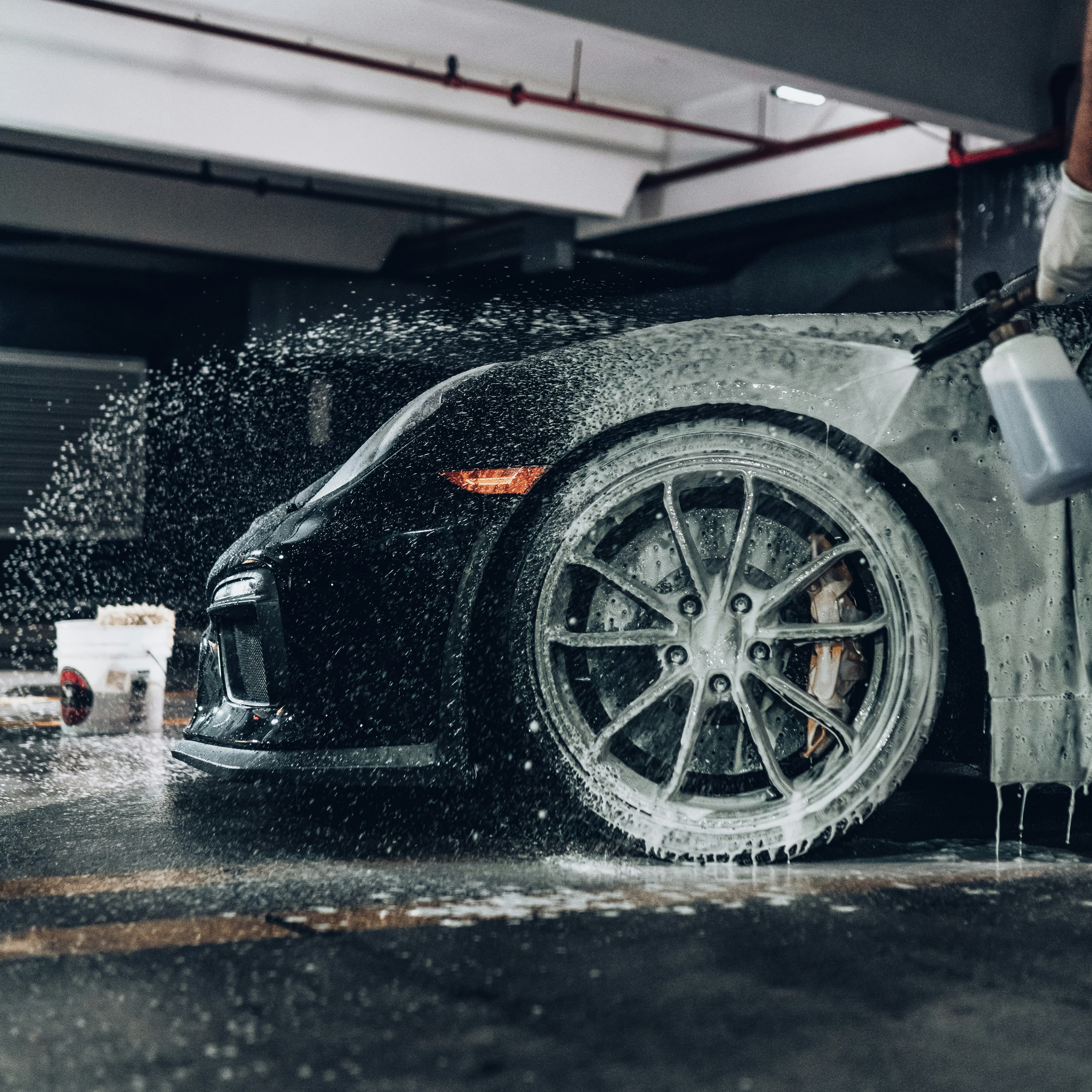
Most swirl marks do not come from the wash itself. They come from the towel that touches the paint afterwards. A cheap, dirty or badly washed towel can undo all your careful work in seconds. The good news is that microfiber towels are easy to get right once you know a few basics.
Why Microfiber Is the Right Material
Microfiber is made of extremely fine polyester and polyamide fibres. These fibres trap dust and absorb water far better than cotton, old T-shirts or chamois leather. A good towel lifts dirt into the pile instead of dragging it across the surface.
Not all microfiber is equal, though. Quality depends on two things:
- GSM (grams per square metre): this tells you how dense and plush the towel is.
- Edge type: stitched edges can scratch soft paint. Edgeless or silk-banded towels are safer for the body of the car.
Choosing the Right Towel for Each Job
One towel for everything is a bad idea. Use different towels for different surfaces and keep them separate.
- Drying paint (500 to 1000 GSM): large, thick, plush towels. A big waffle weave or twisted loop towel can dry a whole car with very little pressure.
- Removing wax, sealant or quick detailer (300 to 400 GSM): medium plush, edgeless. Use one side to wipe and the other to buff.
- Glass (low pile or waffle weave): a flat towel with no deep pile leaves fewer streaks. If you struggle with streaks, our guide on cleaning car windows covers the technique.
- Interior plastics and screens (200 to 300 GSM): soft, thinner towels that will not leave lint on dark surfaces.
- Wheels, door jambs and exhaust tips: old or cheap towels only. Never let these touch your paint again.
A simple colour code helps. For example: blue for glass, grey for paint, yellow for interior, black for wheels and dirty jobs. Once you set a system, you stop mixing them by accident.
How to Dry a Car Without Scratching It
Drying is where many owners cause damage. Follow these steps:
- Rinse the car thoroughly so loose dirt is gone before any towel touches the paint.
- Lay a large, clean drying towel flat on a panel and pull it gently towards you. Let the towel do the work. Do not press.
- Work from top to bottom. The lower panels are dirtiest, so do them last.
- Wring out or swap the towel when it feels heavy. A soaked towel absorbs less and drags more.
- If you drop a towel on the ground, it is finished for paint use. Grit in the fibres will scratch. Put it in the wheel pile.
In the Netherlands, hard tap water leaves chalky spots when it dries on the paint. Drying promptly, ideally in the shade, helps a lot. You can read more in our guide to removing and preventing water spots.
How to Wash Microfiber Towels
Washing is the step most people get wrong. A towel full of old wax, dirt or fabric softener will smear and scratch.
- Wash microfiber only with microfiber. Cotton sheds lint that sticks in the fibres.
- Use a dedicated microfiber detergent or a mild, fragrance free liquid. Normal powders can clog the fibres.
- No fabric softener, ever. It coats the fibres and kills their absorbency.
- Wash at 30 to 40 degrees. High heat can melt the fine fibres and make them hard and scratchy.
- Wash dirty towels separately from clean paint towels. Wheel towels should never share a drum with your best drying towel.
- Add an extra rinse cycle to remove all detergent.
- Dry on low heat or air dry. Skip the dryer sheet.
If a towel has lost its softness, a wash with a microfiber cleaner and an extra rinse often revives it. If it stays stiff or smells, replace it. Good towels are cheap compared with a paint correction job.
Storing Your Towels
Keep clean towels in a closed box or sealed bag. Dust in a garage settles on open shelves and ends up in the fibres. Label or colour code each stack so you always grab the right one.
When to Let a Professional Take Over
If your paint already shows fine scratches from years of poor towels, washing better will not remove them. That needs machine polishing, which we explain in our paint correction guide. At Dr. Detailer in Alphen aan den Rijn we come to your location with the right tools and clean, dedicated towels for every surface, and we use eco friendly products throughout.
Quick Checklist
- Use separate towels for paint, glass, interior and wheels.
- Choose edgeless towels for paint.
- Never use a towel that has touched the ground.
- Wash with microfiber detergent, no softener, low heat.
- Replace towels once they turn stiff or start to shed.
Good towels cost little, but they protect the finish that took years of care to build. Treat them well and they will keep your paint looking sharp.
More articles
How to Remove Pet Hair from Your Car Interior
Dog or cat hair stuck in your car seats and carpets? Learn the tools and steps that actually work to remove pet hair and keep your interior fresh.
How to Clean Car Windows Without Streaks: A Practical Guide
Learn how to clean car windows without streaks. Simple tips for inside and outside glass, the right products and tools, and what to avoid this autumn.